In the Community Views Survey for the Darvel Community Action Plan 2014–2019, 13% of respondents named roads, traffic and parking as a key dislike. Their comments were vivid. Residents complained about lorries laden with quarry material thundering through the town and disobeying the speed limit, and about the sheer amount of traffic on the A71.
The measures meant to help were not universally popular either. One resident said traffic calming measures had made it dangerous to get out onto the main road. Others noted the absence of a lollipop man or lady and of any visible police presence.
The plan responded with two priorities under its Town Centre Regeneration and Traffic theme.
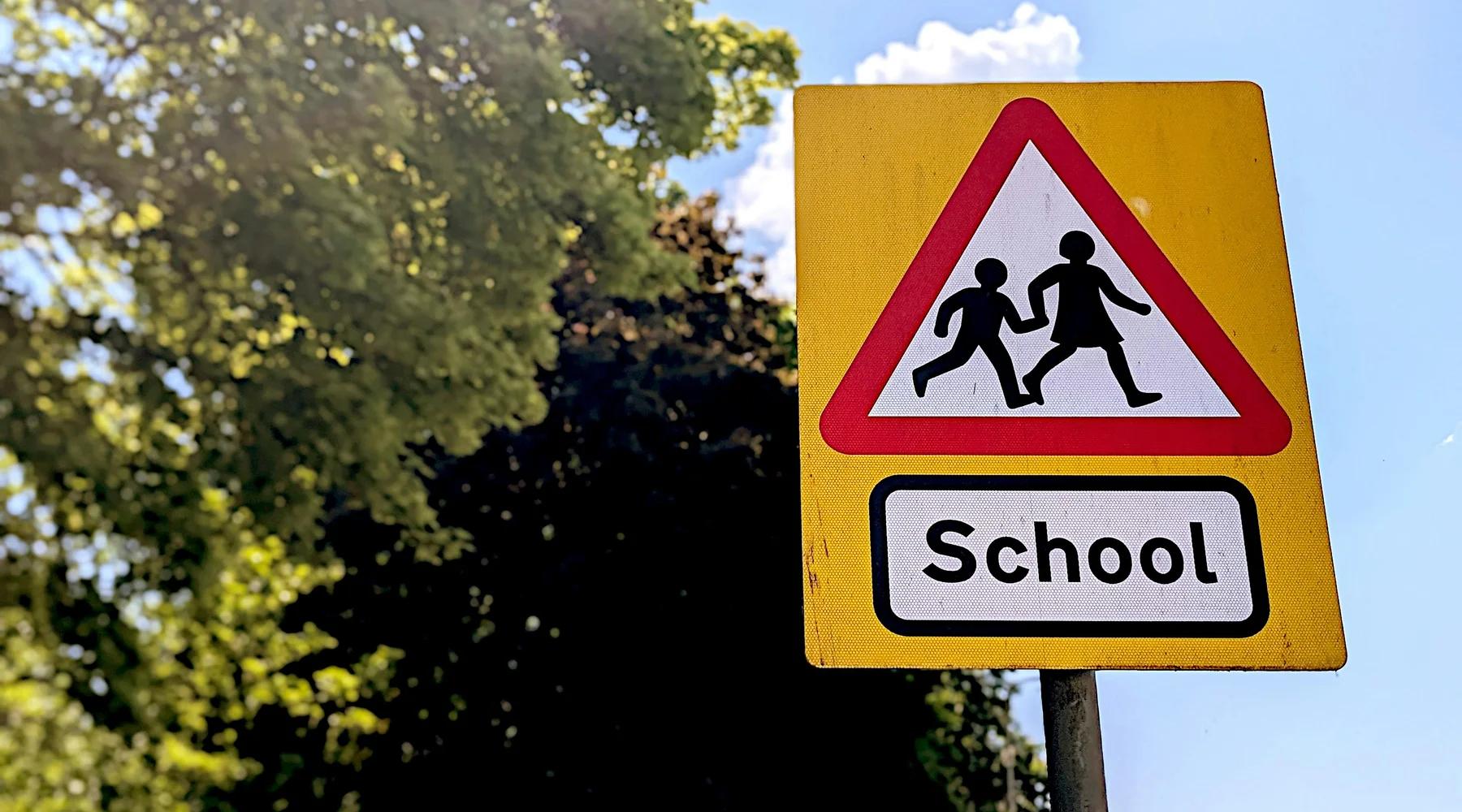
The first was to improve parking and develop safe routes to school. Proposed actions included encouraging children to walk to school, putting up better signage for the town's existing car parks, and considering car parking as one part of any new use for the derelict building sites on the Main Street. The Community Council, the school, Police Scotland and East Ayrshire Council were named to lead the work.
The second priority was to improve traffic flow and reduce the number of heavy goods vehicles passing through the village. The plan proposed monitoring traffic flow and HGV use of the town, and working with traffic police and the local authority to explore how flow could be improved and the impact of HGVs reduced. The Community Council, Police Scotland and East Ayrshire Council were named as the lead organisations.
Parking was also linked to the plan's tourism ambitions. Under the Local Economy and Tourism theme, the plan called for better amenities, parking and facilities for visitors, so that people passing through would be encouraged to stop and use local shops and services.
The tension is a familiar one for towns on a main road. The A71, linking Irvine with Edinburgh, brings passing trade and keeps Darvel connected. But it also brings heavy lorries, congestion and safety concerns right through the town centre, past homes, shops and the routes children take to school.
The plan did not claim to have a single solution. Instead it set out a practical starting point: gather the evidence on what was actually passing through Darvel, then sit down with the police and the council to work out what could be done about it.
Subscribe
Get Loudoun Proud by email
Like this story? Get local updates from across the Irvine Valley, confirmed by email before you’re added.


Comments